

Specialist Inspections
Some structural questions cannot be answered through a general building survey. The concern may be located underground, within a confined or restricted-access space, at high level, inside an industrial facility or limited to a particular structural element. SuperSpeed Engineering provides focused inspections designed around the environment, risk and technical question involved.
Every specialist inspection begins with a clearly defined scope and review of the available access and safety information. Where entry into a confined space is proposed, the work remains subject to the classification of the space, a suitable risk assessment and appropriate access, supervision, rescue and site-control arrangements.
Our Specialist Inspection Services
Medium-Risk Confined-Space Structural Inspections
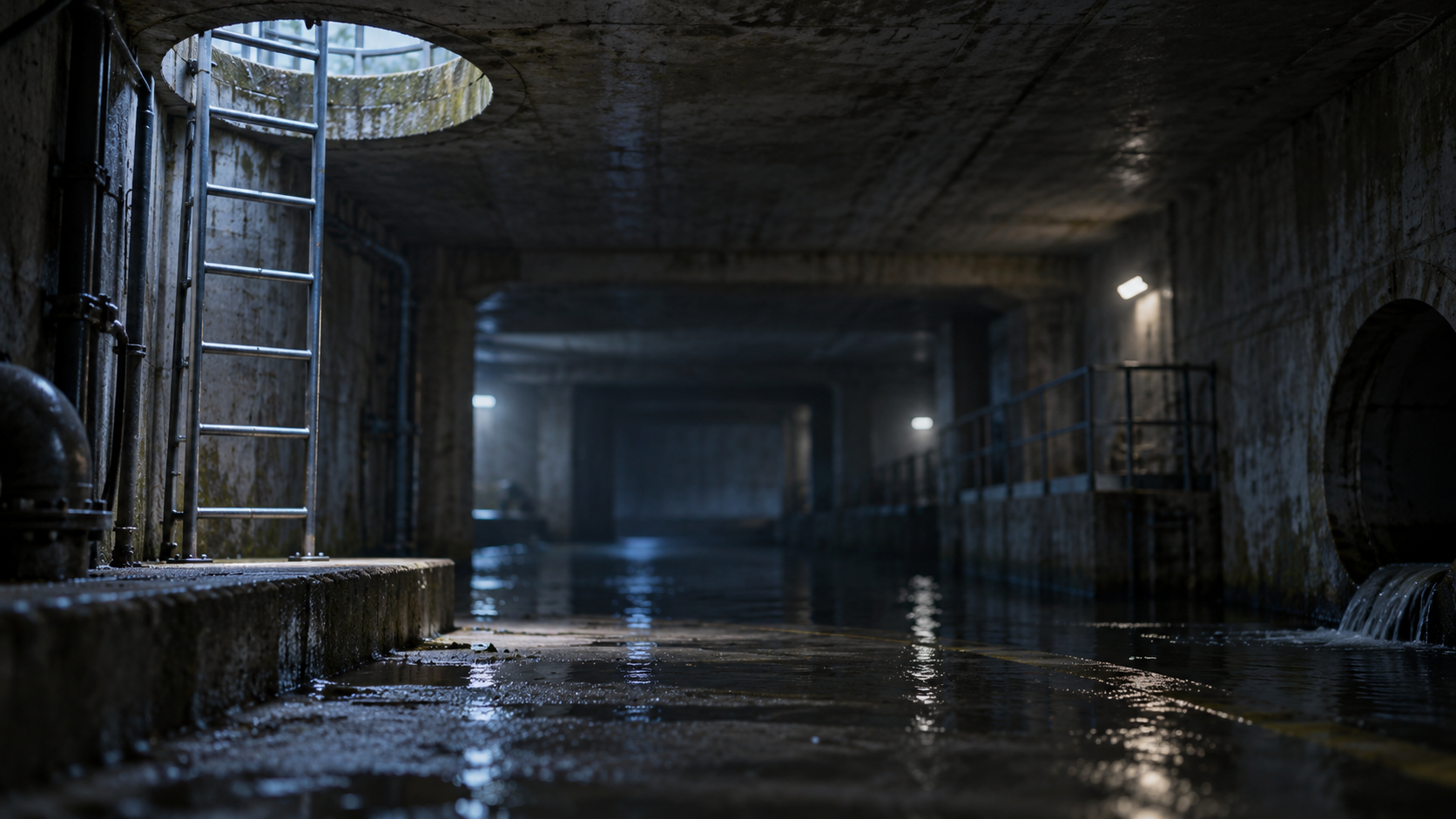
Our confined-space capability can support visual structural inspections in appropriately classified medium-risk spaces. Potential locations include manholes, inspection chambers, drainage or service chambers, culverts, service tunnels, accessible ducts, pits, tanks and enclosed areas within industrial structures. The final scope depends on the actual hazards and control measures identified for the individual space.
Restricted-Access And Difficult-Location Inspections
We inspect structural elements in locations where access, visibility or the surrounding environment requires additional planning. This may include roof spaces, undercrofts, service voids, plant areas, basements and enclosed industrial locations, provided that safe and suitable access arrangements are available.
Targeted Element Inspections And Adequacy Certificates
We can inspect defined structural elements such as beams, columns, lintels, roof members, slabs, walls and connections where a particular question must be resolved. Where the evidence and agreed scope support a clear conclusion, we can provide an engineering report, technical note or certificate of structural adequacy appropriate to the circumstances.
Fire And Heat-Damage Assessments
Following a fire or significant heat exposure, we inspect accessible steel, concrete, masonry and timber elements for distortion, cracking, loss of section, connection damage and other indicators of reduced performance. Recommendations can include access restrictions, temporary works, testing, repair or replacement.
Vehicle And Machinery Impact Assessments
Where a structural member has been struck by a vehicle, crane, forklift or process equipment, we assess the visible damage and the role of the affected element within the wider load path. We then advise whether the area can remain in use, requires restriction or temporary support, or needs repair or replacement.
High-Level Steelwork, Roof And Cladding-Support Inspections
We undertake targeted visual assessments of accessible roof structures, high-level steelwork and secondary members supporting cladding or services. The inspection can address corrosion, distortion, damaged connections, overloading concerns and the condition of local support arrangements where suitable access is provided.
Lift Shafts, Pits And Lift-Support Structures
We inspect lift shafts, pits, support steelwork, restraint points and surrounding structural elements in connection with lift replacement, alteration or new loading. Our input can help establish existing conditions, identify information gaps and define the structural works or testing required before installation.
Industrial Stairs, Walkways And Access Platforms
Stairs, platforms and walkways are exposed to wear, corrosion, impact and repeated operational loading. We inspect the primary members, landings, connections, supports, guards and handrails and advise whether maintenance, repair, strengthening or replacement is appropriate.
Steel Corrosion And Concrete Deterioration
Focused material-condition inspections can address corrosion and loss of section in steelwork, or cracking, spalling, exposed reinforcement and other visible deterioration in concrete. Where visual evidence is insufficient, we can recommend specialist testing or opening-up before a repair strategy is finalised.
Roof-Loading And Solar-Panel Assessments
Before installing photovoltaic panels, plant or other roof-mounted equipment, we inspect and assess the existing roof structure and compare the proposed loading with the available information. We advise whether the arrangement is acceptable, needs adjustment or requires strengthening or further verification.
Frequently Asked Questions
What Types Of Confined Spaces Can You Inspect?
Potential examples include manholes, chambers, culverts, service tunnels, accessible ducts, pits, tanks and enclosed industrial areas. Entry is never assumed from the name of the space alone: the hazards, classification, access, supervision and rescue arrangements must be reviewed for the specific location.
Are You Trained For All Confined-Space Categories?
Our stated capability is for medium-risk confined spaces. We review each proposed inspection against the site information and risk assessment. If the space or required work falls outside that capability, the scope or access arrangement will need to be reconsidered.
What Is The Difference Between A Specialist Inspection And A Structural Condition Survey?
A structural condition survey considers a building, structure or defined area more broadly. A specialist inspection is focused on a particular element, defect, incident, load change or unusual environment and is scoped to answer a specific technical question.
Are Specialist Inspections Intrusive?
They are normally visual unless opening-up, testing or sampling is expressly included. If concealed construction or material properties must be confirmed, we can recommend suitable further investigation and coordinate the engineering interpretation of the results.
Can You Inspect Fire Or Impact Damage Urgently?
We can review urgent enquiries and advise on the information and site controls needed before attendance. Availability and response time depend on location, access, current workload and whether the affected area has first been made safe for inspection.
Can You Provide A Certificate After An Inspection?
Where the inspection evidence, available information and agreed scope allow a clear engineering conclusion, we may be able to issue a technical note, report or certificate of structural adequacy. A certificate cannot be promised until the relevant structure and evidence have been reviewed.